


From PCOS to PMOS
Emelia Leng explains the renaming of polycystic ovary syndrome (PCOS) to polyendocrine metabolic ovarian syndrome (PMOS), and explores the impact of this update.

Waving goodbye to global health’s most prosperous period
Sophie Marchent explores the changing funding and finances behind global health.

Trump’s Health Report: Fact or Fiction?
Barbara Kempny breaks down the recent scrutiny of US President Donald Trump’s health, the information released in his annual health report, and what could or should be drawn from it.

Lessons from a Wartime Hospital
Karim Amin explores the archive at St Hugh’s College to reflect on its history as a military hospital and the stories of the people who were treated there.

AI, Medicine, and the Inherence of Uncertainty
Dr Jack Amiry, Stipendiary Lecturer at Pembroke College, discusses attitudes towards AI and its developing role in medicine.
From PCOS to PMOS
Emelia Leng explains the renaming of polycystic ovary syndrome (PCOS) to polyendocrine metabolic ovarian syndrome (PMOS), and explores the impact of this update.
Waving goodbye to global health’s most prosperous period
Sophie Marchent explores the changing funding and finances behind global health.
Trump’s Health Report: Fact or Fiction?
Barbara Kempny breaks down the recent scrutiny of US President Donald Trump’s health, the information released in his annual health report, and what could or should be drawn from it.
Lessons from a Wartime Hospital
Karim Amin explores the archive at St Hugh’s College to reflect on its history as a military hospital and the stories of the people who were treated there.
AI, Medicine, and the Inherence of Uncertainty
Dr Jack Amiry, Stipendiary Lecturer at Pembroke College, discusses attitudes towards AI and its developing role in medicine.
From PCOS to PMOS
Emelia Leng explains the renaming of polycystic ovary syndrome (PCOS) to polyendocrine metabolic ovarian syndrome (PMOS), and explores the impact of this update.
Waving goodbye to global health’s most prosperous period
Sophie Marchent explores the changing funding and finances behind global health.
Trump’s Health Report: Fact or Fiction?
Barbara Kempny breaks down the recent scrutiny of US President Donald Trump’s health, the information released in his annual health report, and what could or should be drawn from it.
Lessons from a Wartime Hospital
Karim Amin explores the archive at St Hugh’s College to reflect on its history as a military hospital and the stories of the people who were treated there.
Our year to come…
Flora Graham
Science writer and broadcaster
Senior Editor of Nature Briefing

For more information,
visit our Year Ahead page
Our year to come…
Lord Jim O’Neill
Former Chief Economist of Goldman Sachs

For more information,
visit our Year Ahead page
Our year to come…
Matt Hancock
Former UK Health Secretary

For more information,
visit our Year Ahead page
Our year to come…
Lord Nigel Crisp
Former NHS Chief Executive

For more information,
visit our Year Ahead page
Our year to come…
Professor Marian Knight
Professor of Maternal and Child Population Health at the University of Oxford

For more information,
visit our Year Ahead page
Our year to come…
Professor Matthew Weait
Director of the Oxford Department for
Continuing Education

For more information,
visit our Year Ahead page
Our year to come…
Professor Sir Andrew Pollard
Director of the Oxford Vaccine Group
For more information,
visit our Year Ahead page

From PCOS to PMOS
Emelia Leng explains the renaming of polycystic ovary syndrome (PCOS) to polyendocrine metabolic ovarian syndrome (PMOS), and explores the impact of this update.
Waving goodbye to global health’s most prosperous period
Sophie Marchent explores the changing funding and finances behind global health.
Trump’s Health Report: Fact or Fiction?
Barbara Kempny breaks down the recent scrutiny of US President Donald Trump’s health, the information released in his annual health report, and what could or should be drawn from it.
Lessons from a Wartime Hospital
Karim Amin explores the archive at St Hugh’s College to reflect on its history as a military hospital and the stories of the people who were treated there.
AI, Medicine, and the Inherence of Uncertainty
Dr Jack Amiry, Stipendiary Lecturer at Pembroke College, discusses attitudes towards AI and its developing role in medicine.
From PCOS to PMOS
Emelia Leng explains the renaming of polycystic ovary syndrome (PCOS) to polyendocrine metabolic ovarian syndrome (PMOS), and explores the impact of this update.
Waving goodbye to global health’s most prosperous period
Sophie Marchent explores the changing funding and finances behind global health.
Trump’s Health Report: Fact or Fiction?
Barbara Kempny breaks down the recent scrutiny of US President Donald Trump’s health, the information released in his annual health report, and what could or should be drawn from it.
Lessons from a Wartime Hospital
Karim Amin explores the archive at St Hugh’s College to reflect on its history as a military hospital and the stories of the people who were treated there.
AI, Medicine, and the Inherence of Uncertainty
Dr Jack Amiry, Stipendiary Lecturer at Pembroke College, discusses attitudes towards AI and its developing role in medicine.
From PCOS to PMOS
Emelia Leng explains the renaming of polycystic ovary syndrome (PCOS) to polyendocrine metabolic ovarian syndrome (PMOS), and explores the impact of this update.
Waving goodbye to global health’s most prosperous period
Sophie Marchent explores the changing funding and finances behind global health.
Trump’s Health Report: Fact or Fiction?
Barbara Kempny breaks down the recent scrutiny of US President Donald Trump’s health, the information released in his annual health report, and what could or should be drawn from it.
Lessons from a Wartime Hospital
Karim Amin explores the archive at St Hugh’s College to reflect on its history as a military hospital and the stories of the people who were treated there.

From PCOS to PMOS
Emelia Leng explains the renaming of polycystic ovary syndrome (PCOS) to polyendocrine metabolic ovarian syndrome (PMOS), and explores the impact of this update.



-

The Converging Frontiers of Neurocardiology with Bioelectronic Medicine and Gene Therapy to treat Arrhythmias
Prof. David Paterson, Professor of Physiology & Fellow of Merton College and Head of Department of Physiology, Anatomy & Genetics explores neurobiological treatments for arrythmias.
-

When The Market Takes A Shot: Weight-Loss Injections and Recession Indicators
Aayan Riaz and Eimaan Butt delve into the intricate socioeconomic context of weight-loss injections.
-

UK rejoining Erasmus – what does it mean for medics?
Qingwen Wang delves into the benefits of our return to Erasmus+ in 2027.
-

Better late than never: the path to a true HIV cure
Junhao Chen reports how latency-reversing agents may present a breakthrough in HIV drug development.
-

China’s oyster-inspired ‘bone glue’ could revolutionise trauma care
Kathleen Tracey explores the development of “Bone-02”, the promising new bone glue currently undergoing clinical trials.
-
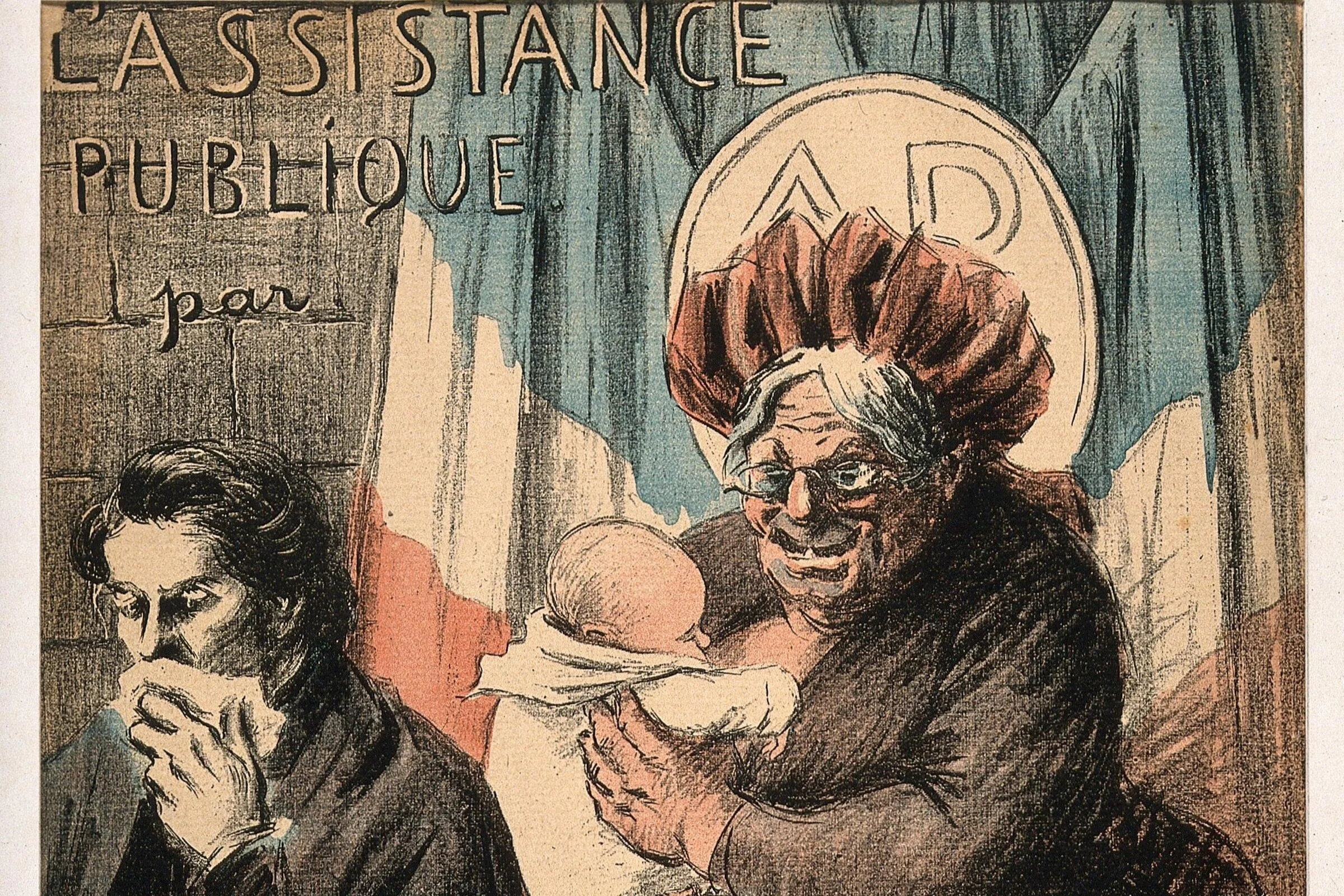
Out with Nanny, In with Neglectful
Tabitha Preston explores the “nanny state” label and the vested interests it benefits.
-

(Machine) Learning the Basics
Where will AI fly and falter? Ella Gallagher discusses the current state of AI in medicine.
-

A Reflection on our Failure to Cure Cancer
Catherine McCammon picks apart the current state of NHS cancer therapy.
-

Harnessing AI to Serve Humanity: A Seasoned View
The Rt Hon Matt Hancock, former UK Health Secretary, discusses AI’s role in healthcare innovation.
-

Future Maternal and Perinatal Health – thinking across disciplines both within and beyond medicine
Prof. Marian Knight MBE, Director of the National Perinatal Epidemiology Unit, outlines the next steps for maternal and perinatal health in the UK.
-

Lessons from a Wartime Hospital
Karim Amin explores the archive at St Hugh’s College to reflect on its history as a military hospital and the stories of the people who were treated there.
-

AI, Medicine, and the Inherence of Uncertainty
Dr Jack Amiry, Stipendiary Lecturer at Pembroke College, discusses attitudes towards AI and its developing role in medicine.
-
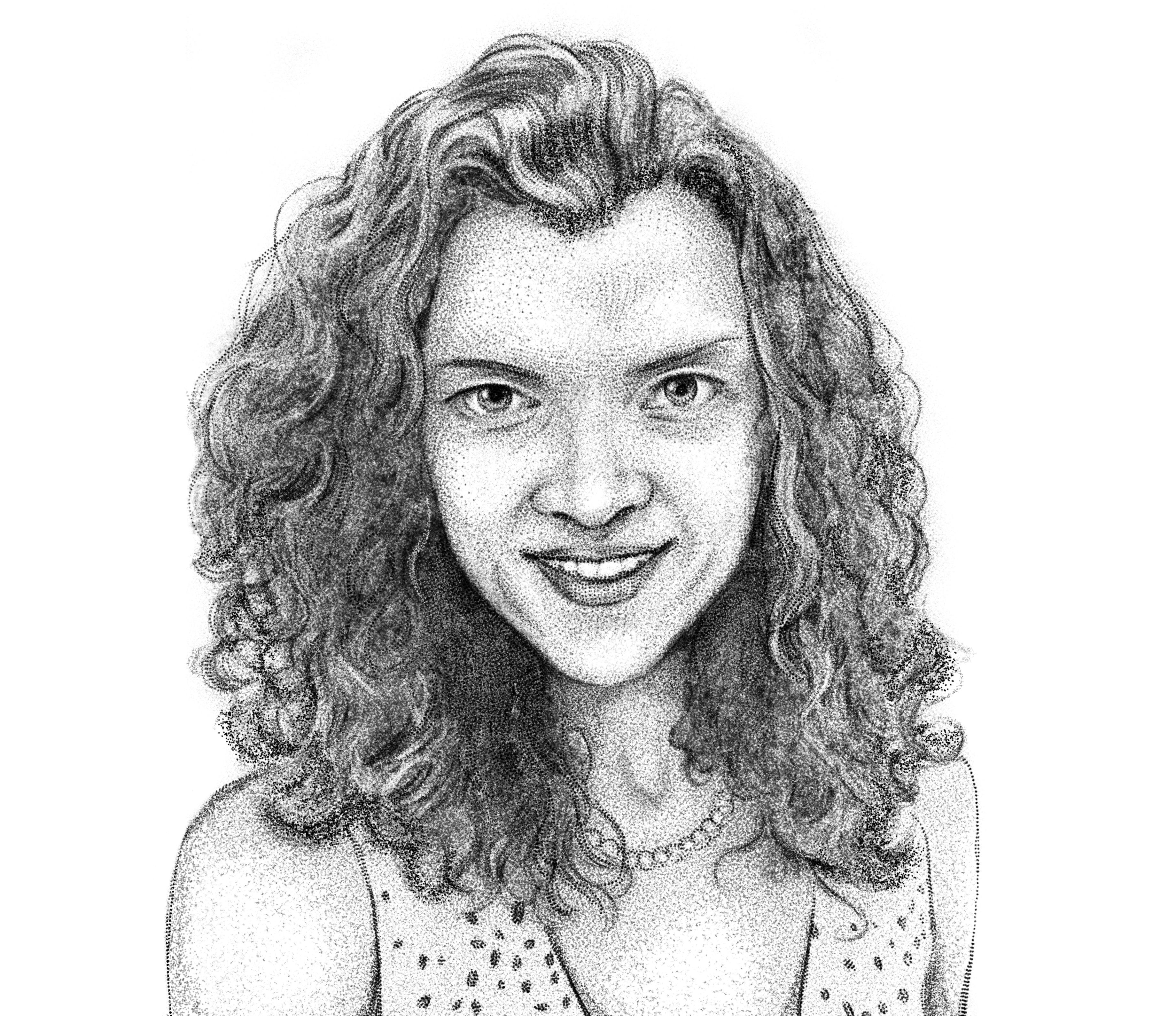
The future of hearing research: Solving the cocktail party problem
Associate Prof. Kerry Walker, Tutorial Fellow in Medical Sciences at Exeter College and Deputy Director of Biomedical Science in the Medical Science Division, explores the future of hearing research.
-

Gene Therapy and the Future of Neurodegenerative Disease
Prof. Mary McMenamin, Departmental Lecturer at the Department for Physiology and Genetics, summarises promising avenues in gene therapy development for neurodegenerative disease.
-
The Converging Frontiers of Neurocardiology with Bioelectronic Medicine and Gene Therapy to treat Arrhythmias
Prof. David Paterson, Professor of Physiology & Fellow of Merton College and Head of Department of Physiology, Anatomy & Genetics explores neurobiological treatments for arrythmias.
-
When The Market Takes A Shot: Weight-Loss Injections and Recession Indicators
Aayan Riaz and Eimaan Butt delve into the intricate socioeconomic context of weight-loss injections.
-
UK rejoining Erasmus – what does it mean for medics?
Qingwen Wang delves into the benefits of our return to Erasmus+ in 2027.
-
Better late than never: the path to a true HIV cure
Junhao Chen reports how latency-reversing agents may present a breakthrough in HIV drug development.
-
China’s oyster-inspired ‘bone glue’ could revolutionise trauma care
Kathleen Tracey explores the development of “Bone-02”, the promising new bone glue currently undergoing clinical trials.
-
Out with Nanny, In with Neglectful
Tabitha Preston explores the “nanny state” label and the vested interests it benefits.
Latest
-
From PCOS to PMOS
-
Waving goodbye to global health’s most prosperous period
-
Trump’s Health Report: Fact or Fiction?
-
Lessons from a Wartime Hospital
-
AI, Medicine, and the Inherence of Uncertainty
-
The future of hearing research: Solving the cocktail party problem
-
Gene Therapy and the Future of Neurodegenerative Disease
-
The Converging Frontiers of Neurocardiology with Bioelectronic Medicine and Gene Therapy to treat Arrhythmias
-
When The Market Takes A Shot: Weight-Loss Injections and Recession Indicators
-
UK rejoining Erasmus – what does it mean for medics?
-
Better late than never: the path to a true HIV cure
-
China’s oyster-inspired ‘bone glue’ could revolutionise trauma care
-
Out with Nanny, In with Neglectful
-
(Machine) Learning the Basics
-
A Reflection on our Failure to Cure Cancer
-
Harnessing AI to Serve Humanity: A Seasoned View
-
Future Maternal and Perinatal Health – thinking across disciplines both within and beyond medicine
-
Hilary 2026
-
Between Two Bedsides: Lessons from the Philippines and the UK
-
The Case Against Resident Doctor’s Strikes